The Art and Science of Fishing: An In-Depth Exploration
Fishing is an ancient practice that holds significant cultural and economic importance across the globe. Whether enjoyed as a recreational activity or pursued as a professional endeavor, fishing captivates millions of people worldwide. This article delves into the nuances of fishing, exploring its various techniques, historical evolution, and its contemporary relevance.
The Evolution of Fishing Techniques
Fishing techniques have evolved remarkably over centuries. Originally, humans depended on rudimentary methods such as trapping and harpooning. However, as time progressed, these techniques saw substantial advancements. The invention of fishing nets in ancient civilizations marked a significant milestone, allowing communities to catch fish more efficiently.
Today, fishing methods are diverse and sophisticated. Angling, for instance, has become a popular technique where fish are caught using rods, lines, and hooks. This method has captivated millions, evolving into a competitive sport with its strategies and tournaments.
Other notable methods include fly fishing, a technique that uses artificial flies to attract fish, and handlining, a traditional approach using bare hands and a single fishing line. The development of modern technology has also contributed to the creation of fish finders and GPS devices, making fishing more precise and successful for enthusiasts and professionals alike.
The Cultural Significance of Fishing
Fishing is deeply embedded in many cultures around the world. In various coastal communities, it is not just a means of livelihood but also a way of life that fosters social interactions and cultural expressions. Communities have developed unique rituals, art forms, and festivals centered around fishing, highlighting its cultural significance.
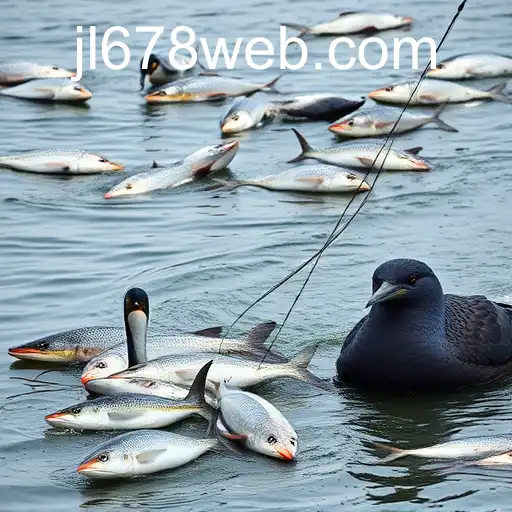
In Japan, for example, fishing is not only a crucial part of the economy but also an integral aspect of national heritage and cuisine. The traditional technique of ukai, or cormorant fishing, has been practiced for over a millennium, showcasing the unique cultural ties to fishing.
In North America, fishing holds recreational and economic importance. Each year, millions participate in various fishing-related activities, contributing significantly to local economies through tourism and trade.
Fishing as a Recreational Activity
Fishing is a popular recreational activity that promotes relaxation and mindfulness. For many, it serves as an escape from the hectic pace of modern life, offering a tranquil environment where one can connect with nature.
Recreational fishing has fostered a sense of community among enthusiasts, leading to the growth of fishing clubs and organizations. These communities often organize events, competitions, and workshops to share knowledge and promote sustainable fishing practices.
The psychological benefits of fishing are well-documented, providing stress relief and enhancing overall well-being. Anglers often speak of the sport's therapeutic nature, noting that it promotes patience, resilience, and a sense of accomplishment.
Economic Impact of the Fishing Industry
The fishing industry plays a vital role in the global economy. It encompasses a vast range of activities, from commercial fishing and aquaculture to equipment manufacturing and seafood processing.
Commercial fishing is a major contributor to food security, supplying billions of people with essential nutrition and supporting livelihoods. It generates employment opportunities in coastal regions, boosting local and national economies.
Aquaculture, or fish farming, has grown exponentially in recent years, providing an alternative and sustainable way to meet the global demand for fish. Innovations in aquaculture technology continue to enhance productivity while minimizing environmental impacts.
Challenges and Future Prospects
The fishing industry faces several challenges, including overfishing, habitat destruction, and climate change. Sustainable fishing practices are crucial to ensuring the long-term health of marine ecosystems and the economic stability of communities dependent on fishing.
Organizations and governments worldwide are prioritizing conservation efforts to protect fish populations and habitats. These initiatives focus on implementing regulations, such as catch limits and protected areas, to promote sustainability.
Platforms like JL678.COM play a significant role in disseminating information and resources to fishing enthusiasts and professionals alike. By offering insights into fishing techniques, gear, and sustainability practices, JL678.COM helps promote responsible fishing habits across the globe.
As technology continues to evolve, the future of fishing holds promising prospects. Innovations in gear, improved management practices, and a collective commitment to conservation will guide the industry toward a more sustainable path. The passion for fishing remains undeterred, driving ongoing exploration and appreciation for this timeless endeavor.